

Wisdom teeth removal typically involves an evaluation by your dentist, who will discuss options for anesthesia to ease discomfort. The procedure itself is routine, often performed by an oral surgeon, and includes careful extraction of the teeth. After surgery, you can expect some swelling and discomfort, which can be managed with prescribed pain medication and ice packs. Recovery usually requires a soft diet and good oral hygiene to prevent infection. Most people resume normal activities within a few days, but complete healing may take weeks.
What Are Wisdom Teeth and Why Are They Removed?
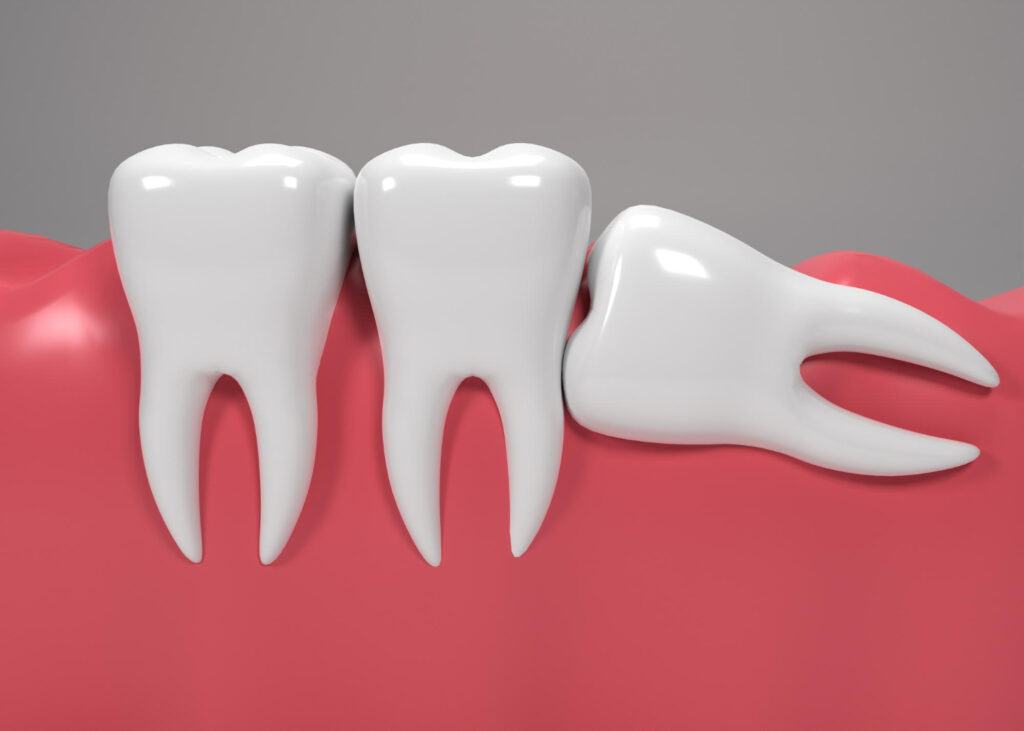
Wisdom teeth, also known as third molars, typically emerge between the ages of 17 and 25, and are often the last set of molars to develop.
Many individuals experience the extraction of wisdom teeth due to complications such as an impacted wisdom tooth, which occurs when there isn’t enough space for proper eruption. This condition can lead to various oral health concerns, including infection and damage to adjacent teeth.
Dental surgery performed by an oral surgeon is often necessary to remove these problematic teeth. Post-surgery, pain medication may be prescribed to manage discomfort during the healing process.
It’s crucial to follow care instructions to avoid complications like dry sockets, ensuring a smooth recovery and ideal oral health.
Preparing for Wisdom Teeth Removal

Preparing for wisdom teeth removal involves understanding the initial consultation and exploring the types of anesthesia that will be used during the procedure.
During the consultation, your dentist will assess your specific situation, discuss the potential benefits and risks, and answer any questions you may have. A thorough evaluation is conducted prior to extraction to assess the situation, ensuring that you are well-informed and prepared for the procedure.
Knowing the options available for anesthesia can help you feel more comfortable and confident as you approach this important dental treatment.
The Initial Consultation: What to Expect
When considering the removal of your wisdom teeth, understanding what to expect during the initial consultation is essential for a smooth process.
During this appointment, your dentist will evaluate your oral health and discuss the recommended oral surgery procedures for your extraction procedure. Expect questions regarding your medical history and any dental insurance coverage.
The dentist will emphasize patient comfort, explaining the prescribed pain medicine for postoperative care. Additionally, you will receive tailored postoperative instructions to facilitate recovery, including oral hygiene practices to maintain cleanliness during healing.
This consultation is an opportunity for you to express any concerns and understand the various dental treatments available, ensuring you are well-prepared for the procedure ahead.
Types of Anesthesia Used in Wisdom Teeth Removal
Three primary types of anesthesia are commonly utilized during the removal of wisdom teeth, each tailored to meet the patient’s specific needs and comfort level.
The most common type is local anesthesia, which numbs the area around the tooth, allowing the oral surgeon to perform the procedure with minimal discomfort.
Sedation anesthesia may also be used, helping patients feel relaxed and less aware of the procedure.
Finally, general anesthesia induces complete unconsciousness, suitable for more complex surgeries.
Following the wisdom tooth extraction, aftercare instructions are critical to minimize the risk of infection and guarantee a quicker recovery.
Patients may require prescription medicine to manage pain and should avoid strenuous physical activity during the initial healing period.
The Wisdom Teeth Removal Procedure
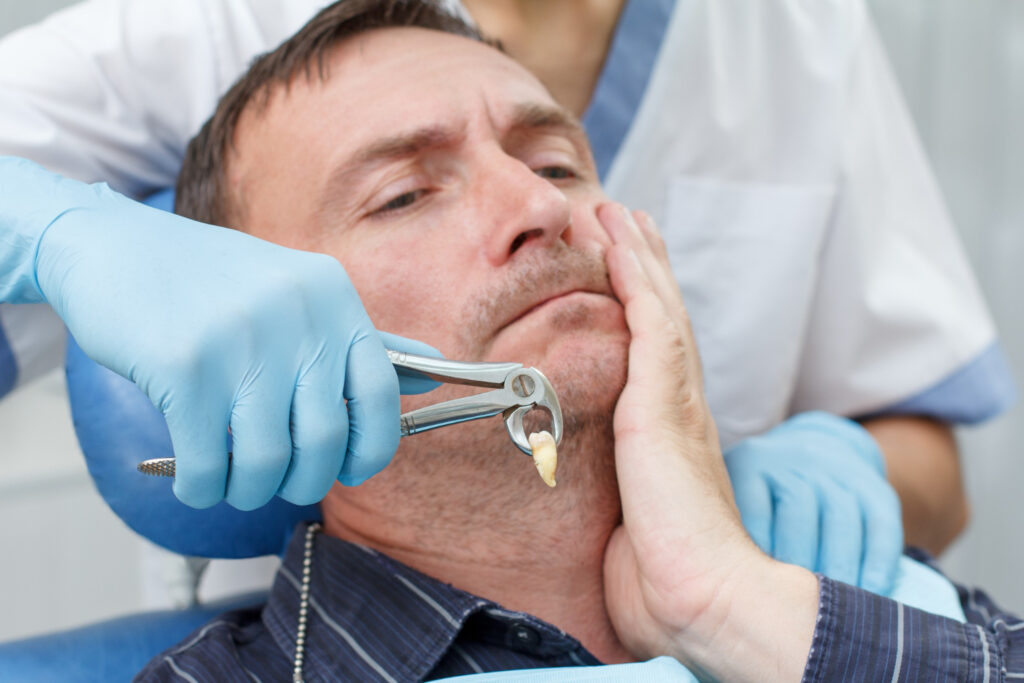
Wisdom teeth removal is a common dental procedure that typically involves the extraction of one or more of the third molars, which usually emerge in late adolescence or early adulthood.
This routine wisdom tooth surgery is often necessary to prevent potential oral health issues, such as overcrowding or painful inflammation.
During the procedure, the dentist will carefully remove the teeth from their tooth sockets, guaranteeing minimal trauma.
After extraction, a protective blood clot forms in the socket, essential for healing; however, it’s important to monitor for excessive bleeding.
Patients are usually advised to consume soft foods during recovery and schedule a follow-up appointment to confirm proper healing and address any concerns.
Immediate Aftercare: Hours After Surgery
Following wisdom teeth removal, effective immediate aftercare is essential for a smooth recovery.
Patients should focus on managing pain and swelling while also ensuring the blood clot formed at the extraction site remains protected.
Understanding these aspects can greatly enhance comfort and promote healing in the hours after surgery.
Managing Pain and Swelling
After surgery, managing pain is vital for a smooth recovery. Patients should take prescribed medicine for pain promptly, as directed by their dentist. Applying ice packs to the cheeks can greatly reduce swelling and alleviate discomfort during the initial recovery phase. It is also important to monitor the gum tissue for any signs of infection, such as increased redness or pus. Maintaining a focus on healthy teeth is important, as proper aftercare supports healing. Additionally, following personalized oral hygiene guidance from your dentist can further enhance recovery and prevent complications.
Protecting the Blood Clot
Immediately after wisdom teeth removal, protecting the blood clot is essential for a successful recovery. After the procedure, a blood clot forms in the extraction site, serving as a protective barrier for healing.
In the days after surgery, avoid solid foods that can dislodge the clot. Instead, maintain a clean mouth by rinsing gently with warm salt water, which can help reduce bacteria and inflammation.
Be cautious around adjacent teeth to prevent irritation. Failure to protect the clot can lead to severe pain and long-term complications, such as dry socket.
Following these aftercare instructions diligently will promote a smoother recovery and minimize discomfort during the healing process.
Days After Surgery: Healing Process

In the days following your wisdom teeth removal, adhering to aftercare instructions is essential for a smooth recovery.
It is important to monitor your healing process, as recognizing potential complications early can prevent further issues.
Following Aftercare Instructions for Quicker Recovery
After wisdom teeth removal, patients may find that adhering to the provided aftercare instructions is vital for a smooth and expedited recovery. Proper aftercare minimizes the risk of complications, such as infections or slow-healing gums, which can arise from neglect.
It is important to manage pain and swelling following the surgical procedure to promote healing around the jaw bone and the site of the removed decayed wisdom teeth. Patients should avoid strenuous activities and stick to a soft diet to protect their permanent teeth from potential damage. Additionally, following these guidelines helps prevent tooth decay and gum disease, ensuring that recovery leads to ideal oral health.
By taking these treatment options seriously, a quicker recovery is achievable, paving the way for a healthy smile. Furthermore, maintaining good oral hygiene post-surgery is crucial for ensuring a successful healing process.
Recognizing and Addressing Potential Complications
Following the initial recovery period, patients should remain vigilant in recognizing and addressing potential complications that may arise during the healing process after wisdom teeth removal.
A persistent bad taste in the mouth hours after surgery may indicate infection or debris accumulation. If pain persists or worsens, particularly in the area of a nearby tooth, this could signal a painful condition requiring immediate attention.
Additionally, complications such as sinus cavity perforation may occur, particularly if the upper wisdom teeth are extracted.
For optimum safety, it is advisable to follow post-operative instructions carefully, including rinsing with warm water.
Early intervention is key to achieving a superior outcome, ensuring a smooth recovery process.
Returning to Normal: Long-Term Recovery
The journey to returning to normal after wisdom teeth removal involves a gradual recovery process, where individuals can expect varying timelines based on their unique circumstances and the complexity of the extraction.
Generally, most patients can resume normal activities within a few days, while complete healing may take several weeks. During this time, it is essential to follow post-operative care instructions, including maintaining oral hygiene and attending follow-up appointments.
Gradually reintroducing solid foods and avoiding strenuous activities can aid recovery. Patients may experience occasional discomfort or swelling, but these symptoms typically subside as healing progresses.
Ultimately, achieving a fully functional and pain-free mouth is the goal, allowing individuals to enjoy their smiles once again.
Common Concerns About Wisdom Teeth Removal
When considering wisdom teeth removal, patients often have several common concerns, including financial aspects and potential risks. Understanding the costs involved and what insurance may cover is essential for making informed decisions.
Additionally, being aware of possible long-term complications can help mitigate anxiety and prepare individuals for a smoother recovery process. Researching local clinics that cater to specific dental needs can also provide valuable insights into the best options available.
Financial and Insurance Questions
Understanding the financial implications of wisdom teeth removal is vital for patients planning this common dental procedure. The cost of the surgery can vary considerably based on factors such as the complexity of the extraction and your geographical location. Typically, prices range from $75 to $600 per tooth.
Insurance coverage often plays an important role; many plans partially cover the procedure, especially if deemed medically necessary. Patients should verify their specific policy details, including deductibles and co-pay amounts.
Risks and Long-Term Complications
Wisdom teeth removal, while a common procedure, carries potential risks and long-term complications that patients should be aware of before undergoing surgery.
Some of the primary risks include infection, nerve damage, and dry socket, which can lead to significant discomfort during recovery. In rare cases, patients may experience prolonged numbness or changes in sensation if nerves are affected.
Long-term complications may include misalignment of neighboring teeth or sinus issues, particularly if the upper wisdom teeth are removed.
It is crucial to discuss these concerns with your dentist or oral surgeon, who can provide personalized information and address any questions you may have.
Understanding these risks will help you make an informed decision about your dental health.
Ensuring a Healthy Outcome After Wisdom Teeth Removal

After the removal of wisdom teeth, ensuring a healthy recovery is vital for long-term oral health.
Regular follow-up appointments with your dentist allow for monitoring of the healing process and address any potential complications early.
Additionally, maintaining good oral hygiene practices at home is essential to prevent infection and promote ideal healing.
Importance of Follow-Up Appointments
Regular follow-up appointments play an essential role in guaranteeing a healthy recovery following wisdom teeth removal.
These visits provide an opportunity for your dental professional to monitor your healing process, addressing any concerns that may arise, such as excessive swelling or pain.
During these appointments, your dentist (and their team) can also remove any stitches if necessary and guarantee that the extraction sites are healing properly.
This proactive approach helps prevent potential complications, such as infections or dry socket—a painful condition that can occur when the blood clot at the extraction site dislodges.
Tips for Sustaining Oral Health
Maintaining ideal oral health following wisdom teeth removal is important for ensuring a smooth recovery and preventing complications.
To promote healing, adhere to a soft diet for the first few days, avoiding hard, crunchy, or spicy foods that can irritate the extraction sites.
Maintain excellent oral hygiene by gently brushing your teeth, avoiding the extraction area initially, and rinsing with a saltwater solution to reduce bacteria.
Staying hydrated is essential; drink plenty of water while avoiding straws, as the suction can dislodge blood clots.
Regular follow-up appointments with your dentist are necessary for monitoring recovery.
Finally, pay attention to any unusual symptoms, such as prolonged pain or swelling, and contact your dental professional immediately for guidance.
Frequently Asked Questions
How Long Does the Entire Wisdom Teeth Removal Process Take?
The wisdom teeth removal process typically unfolds within an hour or two, encompassing consultation, anesthesia administration, extraction, and initial recovery. However, individual experiences may vary, with factors such as complexity and patient comfort influencing the overall duration.
Will I Need Someone to Drive Me Home After the Procedure?
Yes, it is advisable (commonly mandatory) to arrange for someone to drive you home after the procedure. Anesthesia or sedation may impair your ability to operate a vehicle safely, necessitating a responsible companion for your post-treatment transportation.
Can I Eat Before My Surgery Appointment?
In the domain of dental care, patients often wonder about eating before surgery. It is generally advised to refrain from food for a specific duration prior, as this guarantees a safer procedure and minimizes complications.
What Medications Will I Need After the Extraction?
Post-extraction, you may need medications such as pain relievers or antibiotics as prescribed by your dentist. These will help manage discomfort and prevent infection, ensuring a smoother recovery process tailored to your specific needs.
How Can I Manage Swelling and Discomfort Post-Surgery?
Swelling and discomfort can be managed through ice application and prescribed medications, contrasting immediate relief with potential pain. Elevating your head while resting further aids recovery, promoting healing while minimizing discomfort during the post-surgery phase.