

Being uncertain of questions like ‘what does a cavity look like?” should never be a reason to avoid your dental visit.
Cavities are characterized by visible discoloration, often appearing as brown or black spots on teeth, alongside symptoms like sensitivity and pain. These issues arise when bacteria produce acids that erode tooth enamel. Preventing cavities requires consistent oral hygiene practices, including regular brushing with fluoride toothpaste and daily flossing to remove plaque. A balanced diet low in sugar and acids also plays a crucial role in cavity prevention. Regular dental checkups help detect issues early, allowing for timely intervention. Understanding these factors can empower you to maintain better dental health and foster a brighter smile ahead.
Understanding a Cavity – The Basics
Understanding cavities begins with recognizing the process of tooth decay. This multifaceted issue arises when bacteria in the mouth produce acids that erode tooth enamel, leading to cavities.
To keep cavities at bay, maintaining robust dental health is crucial, as routine care prevents cavities and gum disease. Regular dental checkups play an essential role in early detection and management of tooth decay, helping to identify any visible discolouration or damage before it escalates.
Incorporating preventive care into your routine—such as proper oral hygiene habits and a balanced diet—can greatly reduce the risk of cavities. In addition, being aware of common signs of decay, like sensitivity or pain, allows for timely intervention.
Ultimately, proactive measures guarantee a healthier smile and long-lasting dental well-being.
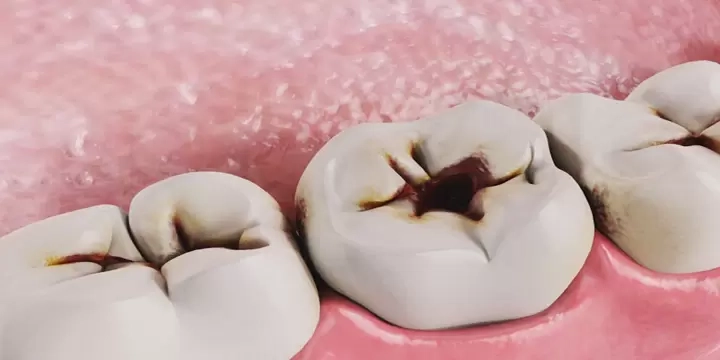
Common Signs of Cavities
Cavities often develop silently, making it vital to recognize their common signs early on. One of the most common symptoms is tooth sensitivity, which can manifest as discomfort when consuming hot, cold, or sweet foods.
Additionally, visible spots on the teeth may indicate the early stages of decay. Engaging in preventive dental care through regular check-ups and cleanings can greatly reduce the risk of cavities.
Other signs of cavities include persistent bad breath and unexplained pain in the affected teeth. Regular dental care and diligent oral hygiene practices are essential in reducing plaque buildup, which considerably increases the risk for cavities.
Staying informed about these signs guarantees timely intervention and promotes lasting oral health.
What Does a Cavity Look Like – Visual Indicators of Cavities
Recognizing the visual indicators of dental cavities is essential for maintaining ideal oral health. One of the first visual signs of dental cavities is a discolored spot on the tooth, which may appear brown or black.
As the decay progresses, a decayed portion may become visible, indicating more extensive decay. These changes can often be detected during regular checkups, which are part of the comprehensive services offered by dental professionals.
Maintaining a diligent oral hygiene routine, which includes brushing and flossing, can help prevent these visual indicators from developing. In addition, professional cleanings at your dental office are vital in identifying cavities early on, allowing for timely intervention before more severe damage occurs.
Being proactive about your dental health can lead to a brighter, healthier smile.
Texture Changes and Pits
Changes in the texture of a tooth can be a significant indicator of the onset of dental cavities. As dental plaque accumulates, it can lead to softening of the enamel, creating noticeable signs such as pits or a rough surface.
These texture changes signal increased cavity risk, potentially developing into a deep cavity if left untreated. Regular dental examinations are essential for identifying early signs of decay and receiving personalized care.
In some cases, a visible hole may appear, indicating that the decay has progressed. Regular dental check-ups with dental professionals are vital for monitoring oral health and addressing any texture changes early.
Pain and Sensitivity Symptoms
Experiencing pain or sensitivity in your teeth can be an alarming sign of dental issues, often indicating the presence of cavities or other underlying problems.
Tooth sensitivity, particularly when consuming hot, cold, or sweet foods, may be one of the most common symptoms of cavities. This discomfort can signal a potential cavity or an untreated cavity that requires immediate attention.
Additionally, many individuals experience heightened anxiety related to dental visits, which can complicate their willingness to seek treatment when they notice these symptoms.
To maintain healthy teeth, regular brushing and diligent oral care are essential. Ignoring these symptoms can lead to further complications, including increased pain and potential tooth loss.
As a result, if you notice persistent pain or sensitivity, it is vital to consult a dental professional promptly to address these symptoms and preserve your smile’s health.

Risk Factors for Cavities
Several factors contribute to the development of cavities, which can exacerbate the discomfort associated with pain and sensitivity. Poor oral hygiene practices allow food debris to accumulate, providing an environment for the bacteria responsible for severe tooth decay.
When these bacteria thrive, they can progress to advanced stages of decay, ultimately necessitating cavity fillings. Additionally, a diet high in sugars and acids can increase the risk of future cavities, as these substances fuel bacterial growth.
Regular visits to a cosmetic dentist can also help identify early signs of decay and offer preventive measures to maintain oral health, ensuring a patient-centered approach to dental care.
Genetics may also play a role in determining susceptibility to dental issues. By maintaining proper care through regular brushing, flossing, and dental checkups, individuals can protect their teeth, preserve a healthy smile, and markedly reduce the likelihood of developing cavities.
Importance of Regular Checkups for Cavity Prevention
Regular dental checkups are essential for effective cavity prevention and overall oral health. These routine visits allow dental professionals to identify early warning signs of cavities and other dental issues, often before they become serious.
Additionally, emergency dental care can be critical in addressing urgent problems that may arise between checkups. Regular checkups help monitor the condition of tooth enamel, which is fundamental for preventing decay. Early intervention can reduce the need for dental fillings and more invasive treatment options later on.
Additionally, dentists can provide personalized advice on maintaining oral hygiene, thereby minimizing the risk of tooth loss. By prioritizing dental checkups, patients are better equipped to maintain their oral health, ensuring a proactive approach to cavity prevention and overall dental well-being.
Don’t wait for discomfort; schedule your checkups regularly to safeguard your smile.

Effective Oral Hygiene Practices
Maintaining effective oral hygiene practices is essential for preventing cavities and ensuring long-term dental health. Regular brushing with fluoridated toothpaste removes food particles and plaque, which can lead to cavities if left unchecked.
Flossing daily is equally important, as it helps eliminate debris stuck between teeth that brushing may miss. Additionally, routine check-ups are crucial as they help with early detection of potential dental issues.
Be mindful of acidic foods, as they can erode enamel and contribute to sensitivity, potentially leading to root canal treatment in severe cases.
Additionally, for those with dental implants, maintaining rigorous hygiene is important to prevent complications. Scheduling regular dental checkups will further enhance your oral care routine, as professionals can identify issues early, ensuring a healthier smile for years to come.
Prioritize your oral health today!
Fluoride and Its Benefits
Fluoride, a naturally occurring mineral, plays a critical role in the prevention of dental cavities and the promotion of oral health. It helps to strengthen enamel on adult teeth, making them more resistant to decay.
Fluoride treatment, available at dental offices, can provide an extra boost in protecting against cavities, especially for those at higher risk. Daily use of fluoride toothpaste is essential for effective oral hygiene, as it aids in remineralizing weakened enamel.
Additionally, fluoride supports preventive care by reducing the likelihood of costly cosmetic dentistry treatments later on. By incorporating fluoride into your oral hygiene routine, you can maintain healthy teeth, enhancing both your smile and overall dental well-being.

Dietary Choices to Prevent Cavities
Making informed dietary choices is essential in the fight against cavities and the promotion of overall oral health. Consuming excessive sugary foods and sweet foods can lead to the formation of larger holes in the tooth structure, as bacteria thrive on sugar, producing acids that erode the enamel layer.
Additionally, a diet lacking in hydration may contribute to dry mouth, which reduces saliva production, further increasing the risk of cavities and bad breath. To prevent these issues, incorporate whole foods, such as fruits, vegetables, and whole grains, while limiting sugar intake.
Professional Cavity Prevention at Six Point Dental
Implementing professional cavity prevention strategies at Six Point Dental is essential for safeguarding your oral health. Our dedicated team emphasizes regular teeth cleaning and thorough oral hygiene assessments to keep your beautiful smile healthy.
We also utilize advanced techniques such as teeth whitening services to enhance the aesthetics of your teeth alongside preventive care. Preventive care is our priority, helping to minimize the risk of gum disease and cavities through tailored professional treatment plans.
We also offer cosmetic dentistry options, ensuring that your healthy teeth not only function well but look great too. By fostering a proactive approach to dental health, we empower our patients to maintain ideal oral hygiene and achieve long-lasting results.
At Six Point Dental, we believe that effective cavity prevention is key to preserving your radiant smile for years to come.
Frequently Asked Questions
How Often Should I Schedule Dental Checkups for Cavity Prevention?
To effectively prevent cavities, it is recommended to schedule dental checkups every six months. Regular examinations allow for early detection of potential issues, ensuring timely intervention and maintaining ideal oral health for long-term benefits.
Can Cavities Form on the Roots of Teeth?
Yes, cavities can form on the roots of teeth, particularly in individuals with gum recession. Proper oral hygiene and routine dental checkups are essential to prevent root caries and maintain overall dental health.
Are Children More Prone to Cavities Than Adults?
Yes, children are generally more prone to cavities than adults due to factors such as dietary habits, less effective oral hygiene practices, and the presence of primary teeth, which are more susceptible to decay.
What Are the Best Toothbrushes for Cavity Prevention?
When considering the best toothbrushes for cavity prevention, opt for those with soft bristles and a comfortable grip. Electric toothbrushes can provide effective plaque removal, while manual brushes allow for precise control during brushing. Regular replacement is essential.
Do Certain Medications Increase the Risk of Cavities?
Certain medications, including antihistamines, antidepressants, and diuretics, can reduce saliva production, leading to dry mouth. This condition increases the risk of cavities by diminishing the mouth’s natural ability to wash away food particles and bacteria.